

Take control With
BUilding science
Why Traditional Building Fails…
Traditional construction often relies on prescriptive methods that fail to account for the real-world movement of heat, air, and moisture. This neglect creates inherent vulnerabilities, leading to common home issues like unexplained drafts, high energy bills, and hidden problems like condensation, mold, and structural rot within the walls. Building Science steps in where tradition fails, using engineering principles to proactively control these forces and ensure a durable, healthy, and high-performing structure.
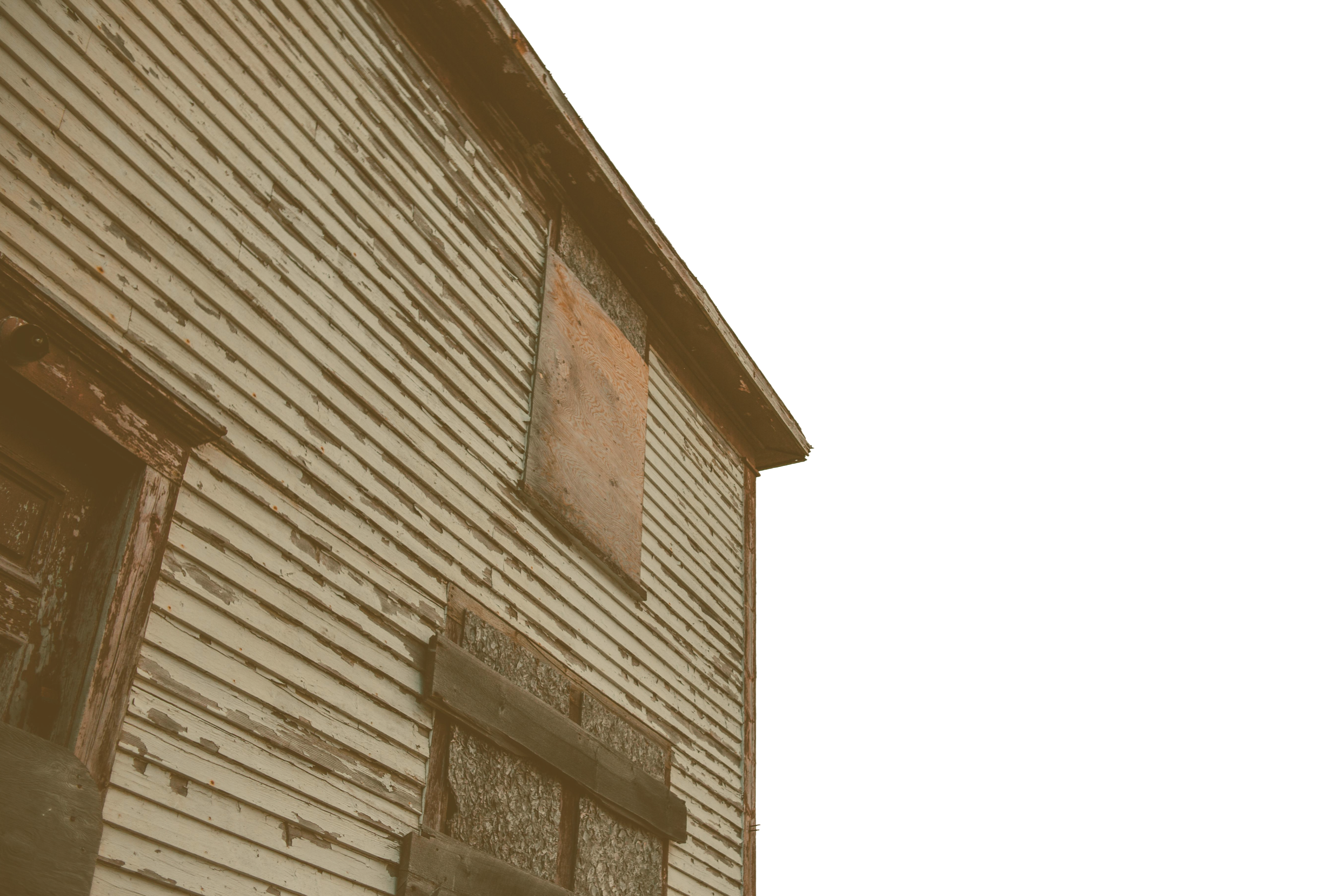
Litigation Risk: Up to 80% of building litigation claims are caused by severe water intrusion and moisture-related failures.

Air Quality: As much as 60% of the air on the first floor may originate directly from a dirty or unsealed crawl space.
Energy Waste: Standard construction can waste up to 40% of conditioned energy due to unmanaged air leaks and critical thermal bridging.
Premature Failure: Uncontrolled moisture and poor detailing lead to early material decay, rot, and a significantly shortened home lifespan.
What is BUilding Science?
Building Science is not just an academic concept; it is the fundamental framework for designing and constructing high-performing, durable, and healthy buildings. It moves beyond conventional, prescriptive building codes to address the complex interactions of heat, air, and moisture. By understanding how these elements move and behave within a structure, we can intentionally design a resilient enclosure that controls these forces. This proactive, systems-based approach prevents the hidden failures—like mold, rot, and structural decay—that plague standard construction, ensuring the client's home or building delivers on its promises of long-term value and peak performance.
The efficacy of a building hinges entirely on the successful integration of the four Control Layers: Water, Air, Vapor, and Thermal management. These layers must be continuous and coordinated across the entire enclosure to create a truly high-performance system. A breach in even one layer—like an unsealed air gap or a missing piece of flashing—can compromise the performance of the entire wall assembly, leading to moisture infiltration, energy waste, and discomfort. By prioritizing Building Science, we guarantee that these crucial control layers work together seamlessly, resulting in a robust, energy-efficient, and perpetually comfortable interior environment.
-
The Water Control Layer is the first line of defense against liquid moisture penetration. It consists of an integrated system of materials, such as exterior claddings, flashings, and the water-resistive barrier (WRB), designed to shed bulk water away from the wall assembly. Its primary function is to prevent rain and snowmelt from entering the structure, thereby guarding against mold, rot, and structural damage.
-
The Air Control Layer (or air barrier) is a continuous, interconnected plane that restricts the movement of air into and out of the building enclosure. Controlling air movement prevents energy loss through convection and stops moisture-laden air from condensing within the wall assembly. This layer is crucial for maintaining both energy efficiency and superior indoor air quality.

-
The Vapor Control Layer is designed to limit the movement of moisture in its gaseous form (water vapor) through the building's materials. This layer, often referred to as a vapor retarder or barrier, is strategically placed within the wall assembly based on climate. Its function is to prevent the condensation of water vapor inside the structure where it could damage insulation and encourage microbial growth.

-
The Thermal Control Layer is the insulation system responsible for resisting the flow of heat. It is a continuous layer applied strategically across the entire enclosure—walls, roof, and foundation—to minimize heat transfer via conduction, convection, and radiation. Effective thermal management maintains a comfortable indoor temperature, significantly reduces the demand on heating and cooling equipment, and is the primary driver of building energy efficiency.

Your home for generations
A high-performance home is achieved only when the four critical control layers—Water, Air, Vapor, and Thermal—are seamlessly integrated and meticulously detailed across every square inch. While traditional building methods treat walls as collections of unrelated components, we engineer the building enclosure as a unified, high-functioning system. This rigorous and holistic approach ensures that no single failure point ever compromises the entire structure, delivering a resilient shield against the elements and guaranteeing peak performance for the entire life of the home.
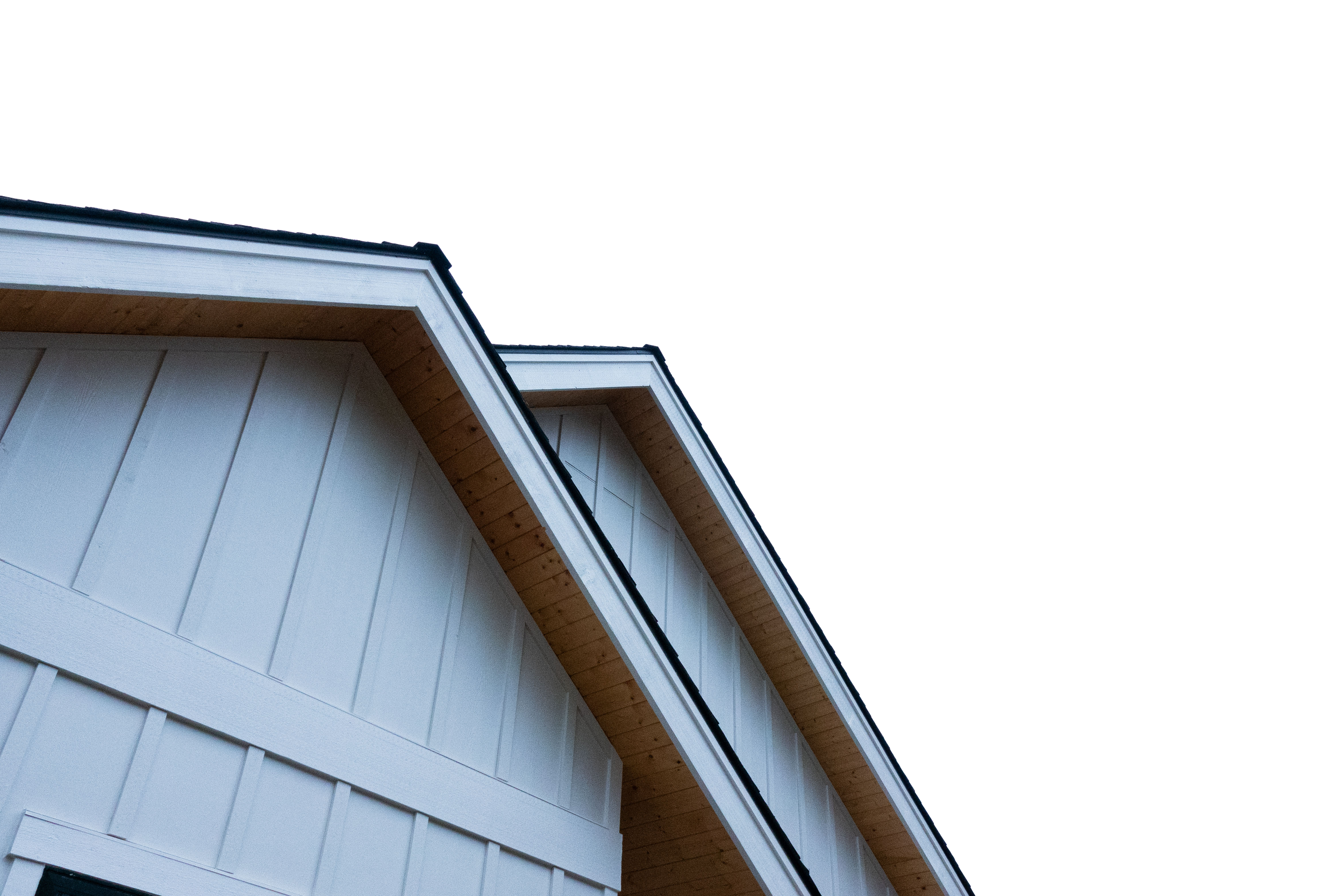
Ultimate Durability: An engineered, protective enclosure prevents water intrusion, eliminates mold, and significantly extends the life of the structure.

Exceptional Comfort: Achieve total thermal consistency with no drafts, temperature swings, or hot/cold spots throughout the house.
Superior Indoor Air Quality (IAQ): Continuous mechanical ventilation supplies fresh, filtered air while actively controlling moisture and eliminating pollutants.
Dramatic Energy Savings: Drastically reduce utility bills through superior insulation, airtight construction, and minimal reliance on fossil fuels.

-
Thermal Management ensures consistent interior temperature, eliminating drafts and uncomfortable temperature swings year-round. High-performance insulation and precise control over heat flow create a stable, pleasant indoor environment. This core practice of Building Science ensures occupants feel comfortable in every area of the home, regardless of exterior conditions.
-
Effective Water Management is crucial for long-term Durability. Building science employs continuous water-resistive barriers and strategic flashing to systematically drain bulk water away from the structure. This essential protection prevents water penetration, which is the leading cause of material degradation, structural rot, and premature failure of the home's components.
-
Superior occupant Health relies on meticulous Air Management. A tightly sealed enclosure prevents the uncontrolled infiltration of exterior dust, allergens, and pollutants. It is paired with controlled mechanical ventilation to introduce fresh, filtered air while exhausting stale, humid air, significantly lowering the concentration of indoor contaminants.
-
Optimal Energy Efficiency is achieved through precise Vapor Management and thermal control. By correctly detailing the enclosure to prevent moisture condensation within the walls, the insulation maintains its peak effectiveness. This integrated approach minimizes heat loss, reduces the workload on HVAC systems, and dramatically lowers the home's long-term utility expenses.
2 Homes
2 Methods
Building Science - Home 1
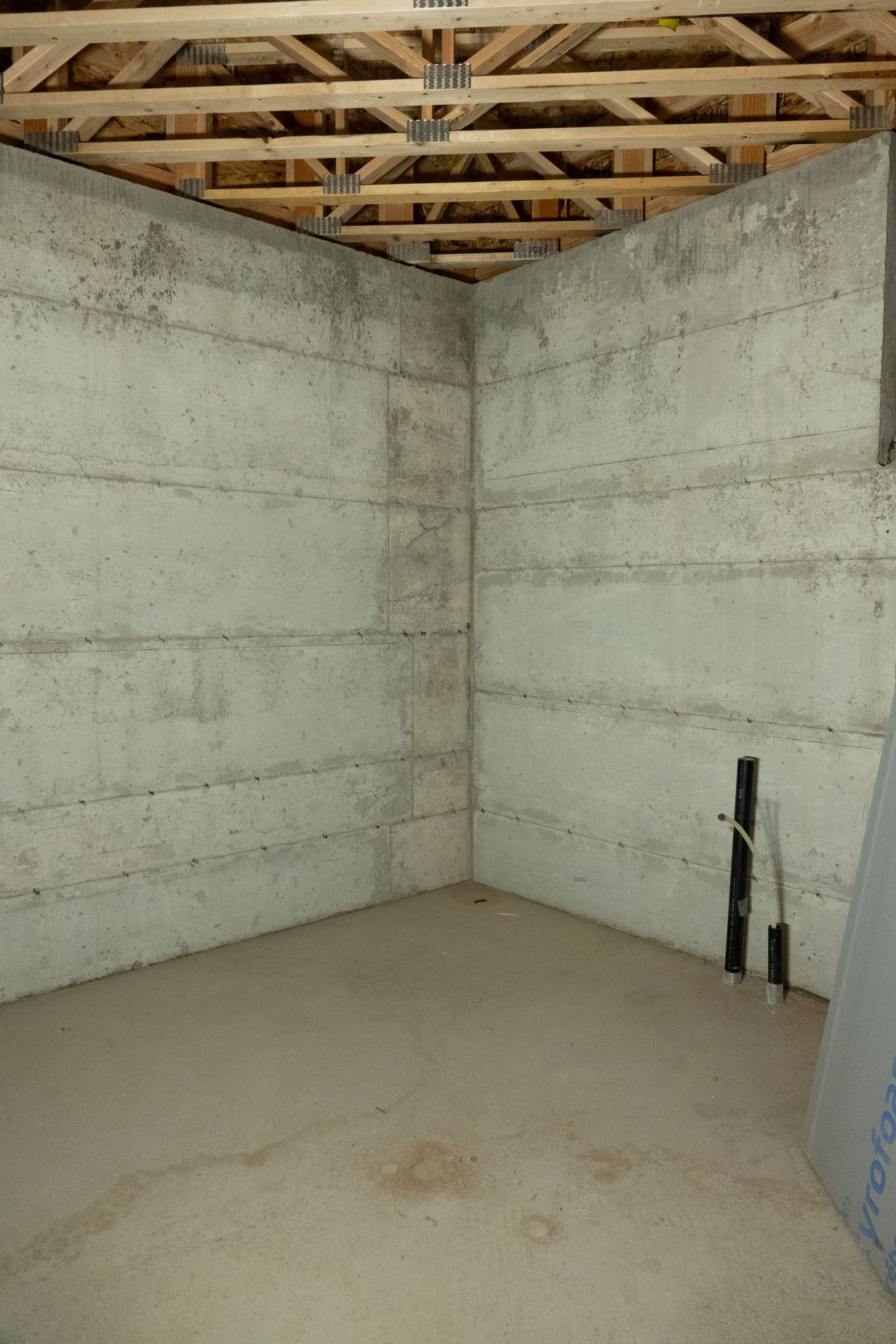
High-performance homes use a sealed, encapsulated basement or crawl space. This isolates the structure from ground moisture and controls humidity, keeping the entire area bone dry. This ensures long-term structural integrity and a healthy, durable foundation.
Traditional Building - Home 2
2 Homes
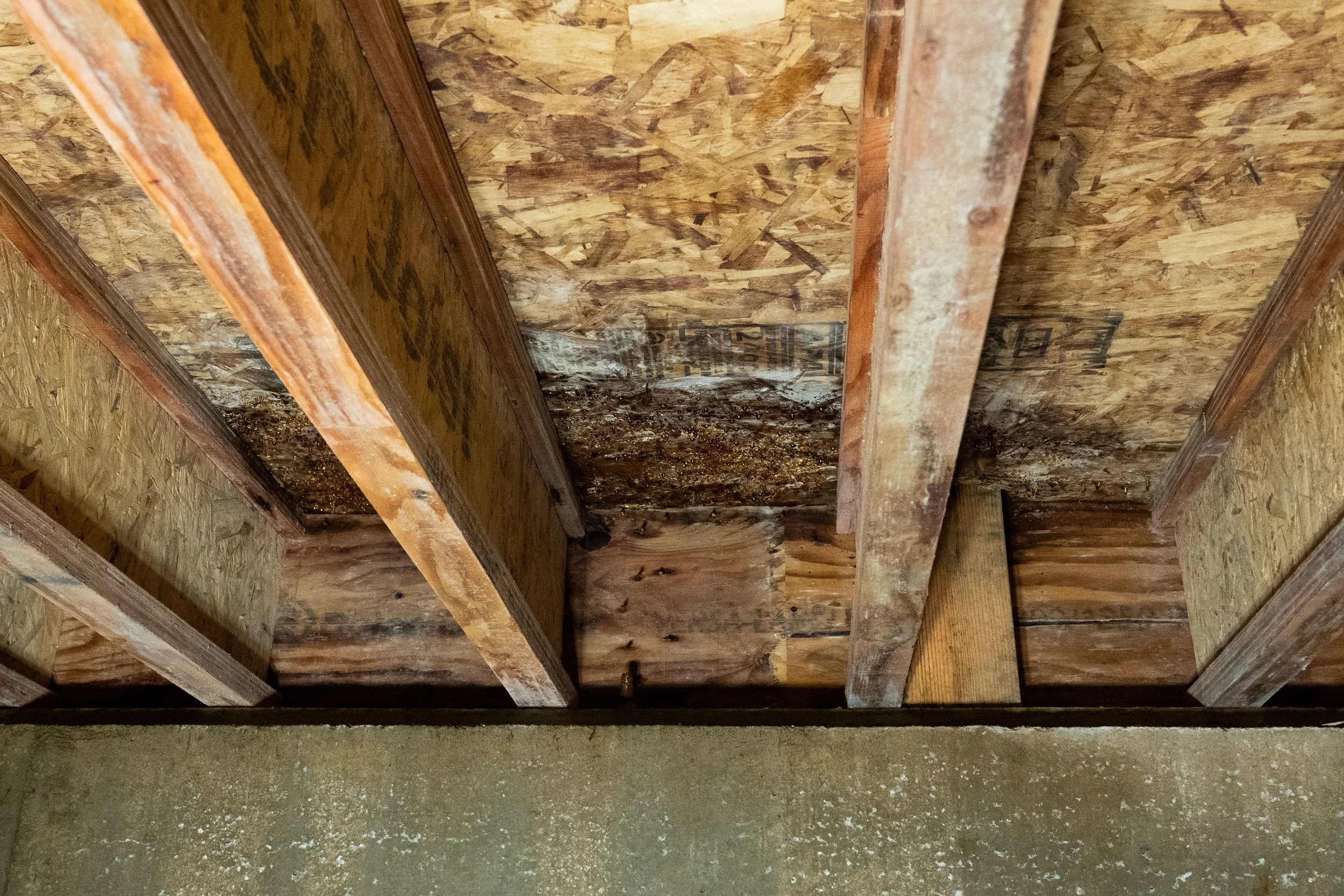
The traditional method uses a vented crawl space, which often draws damp outdoor air inside. This causes condensation, leading to wood rot, mold, and structural decay. It also allows pollutants to enter your home, negatively impacting indoor air quality.
Building Science - Home 1
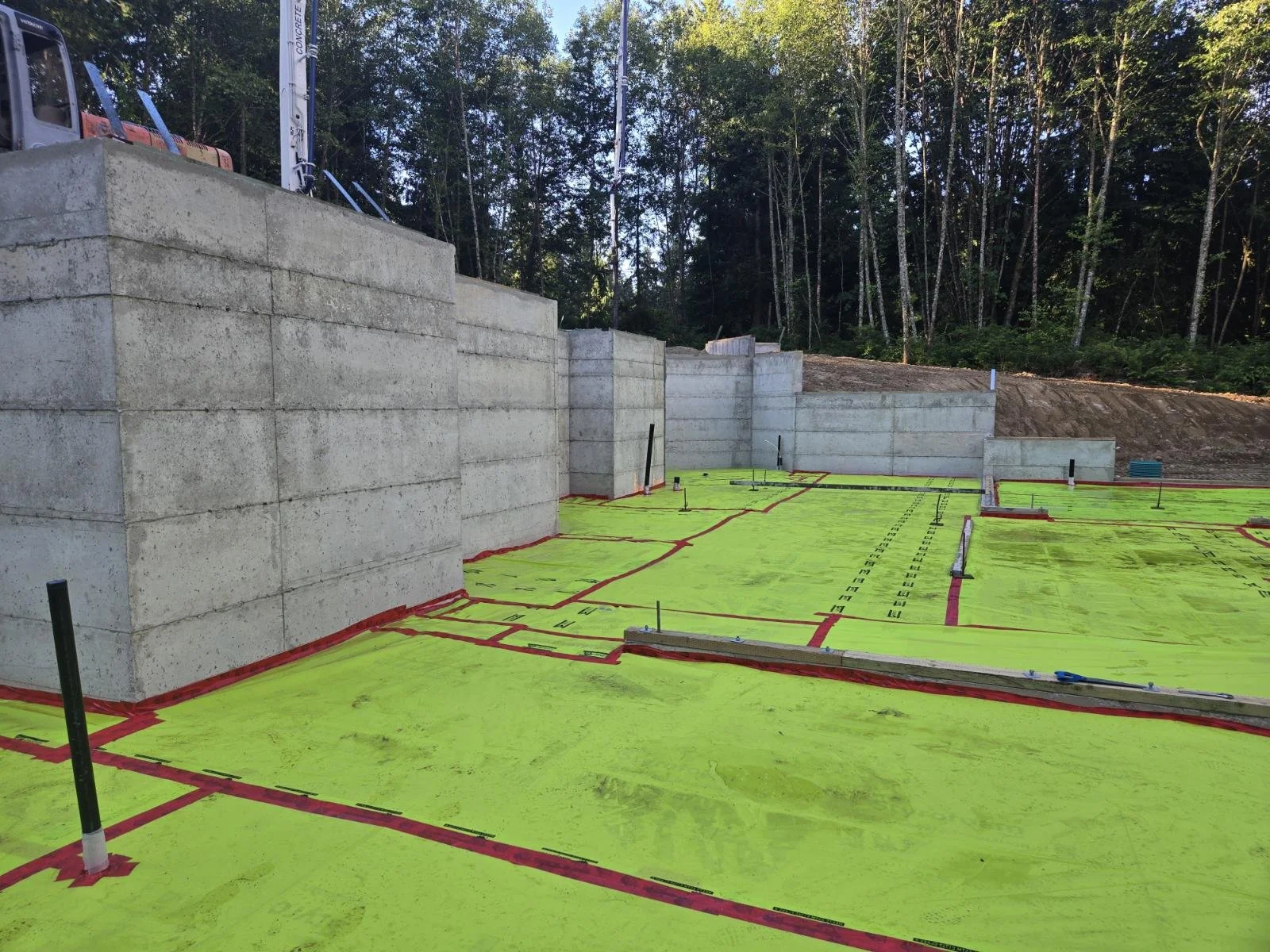
Building science begins the defensive enclosure from the ground up, which is why a high-performance vapor barrier is always installed beneath the poured basement slab to prevent moisture from migrating into the home.
Traditional Building - Home 2
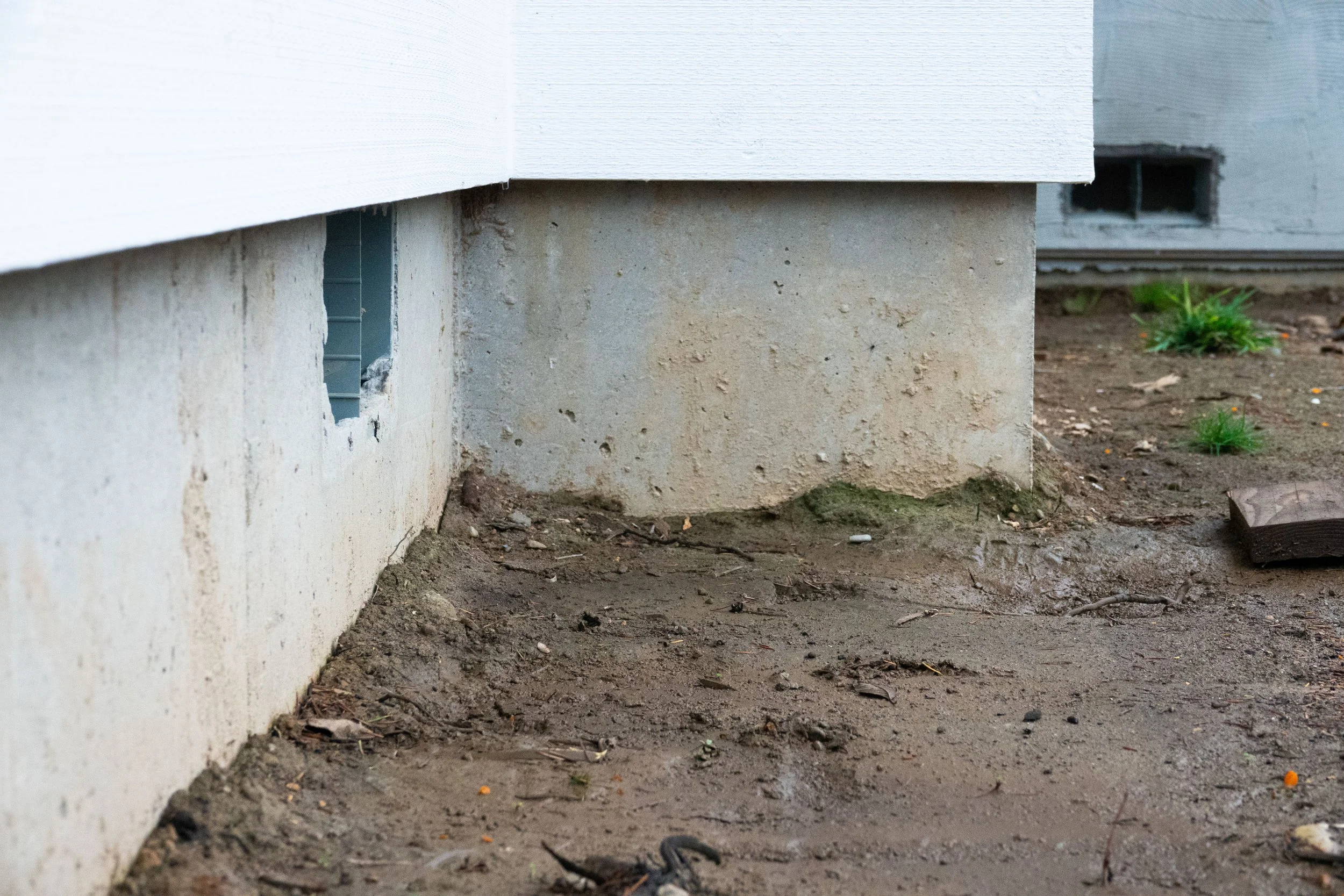
The traditional method relies on air vents in the crawl space, which often backfires by drawing damp, humid air inside and creating the perfect environment for condensation, mold, and wood rot.
Building Science - Home 1
2 methods
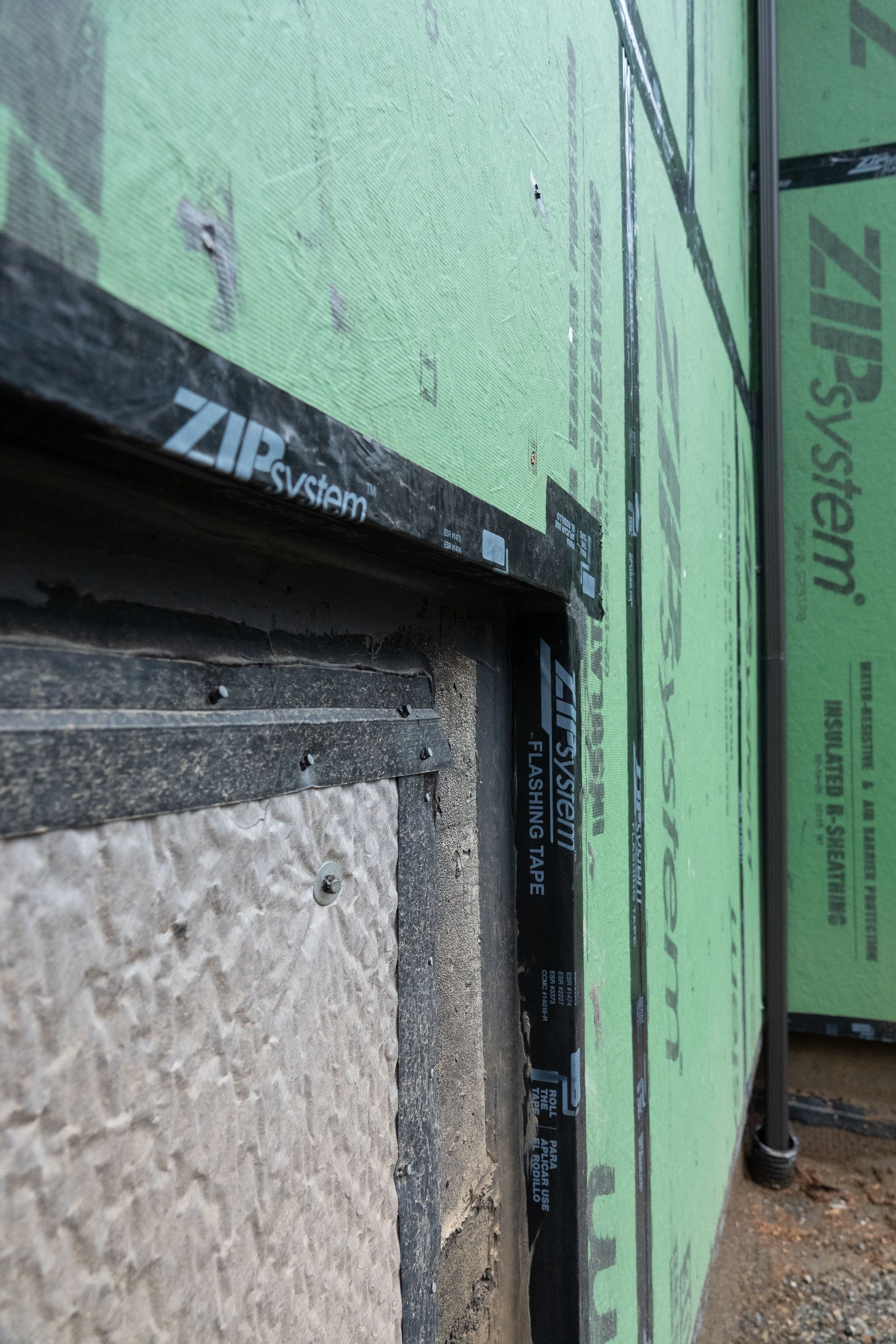
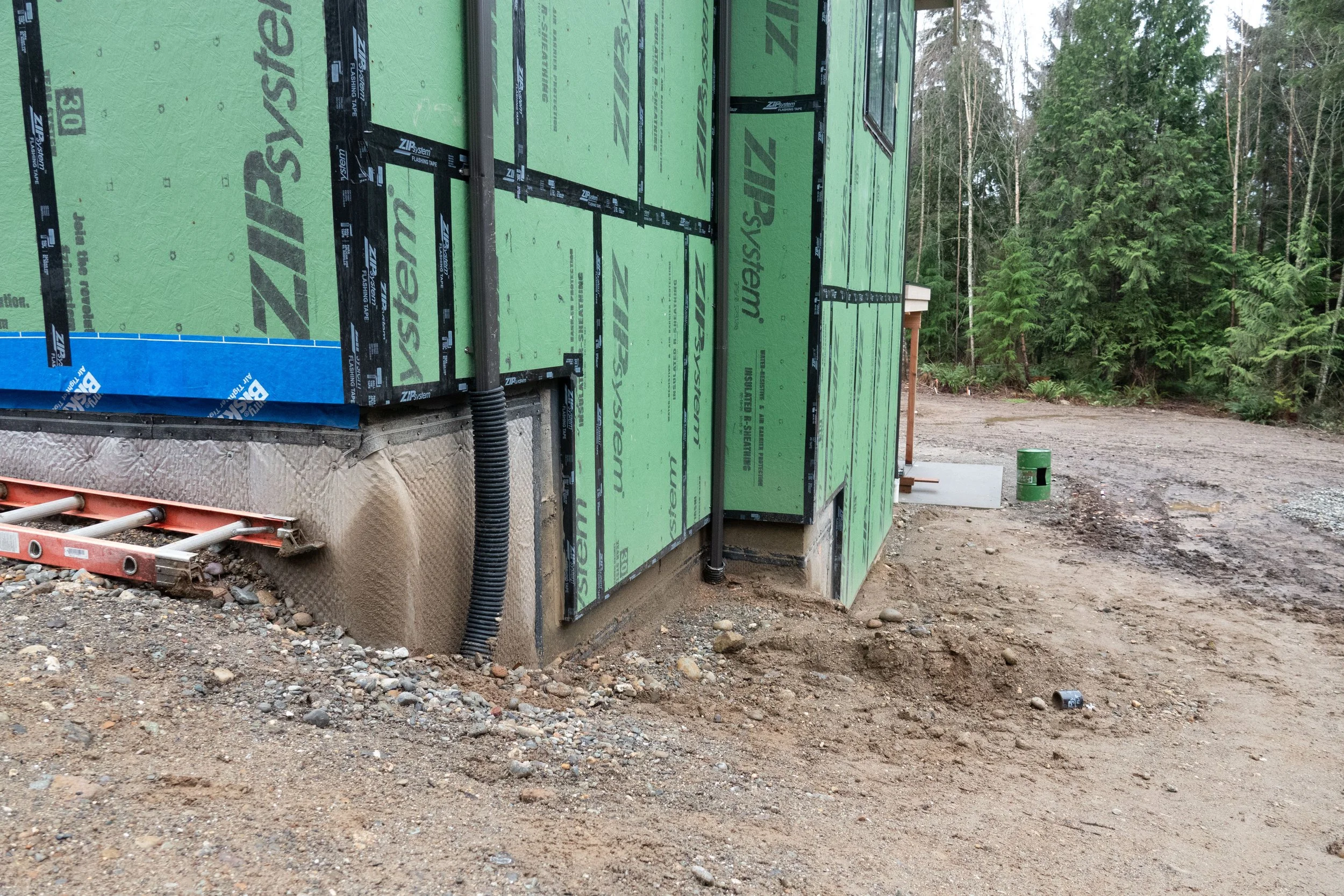
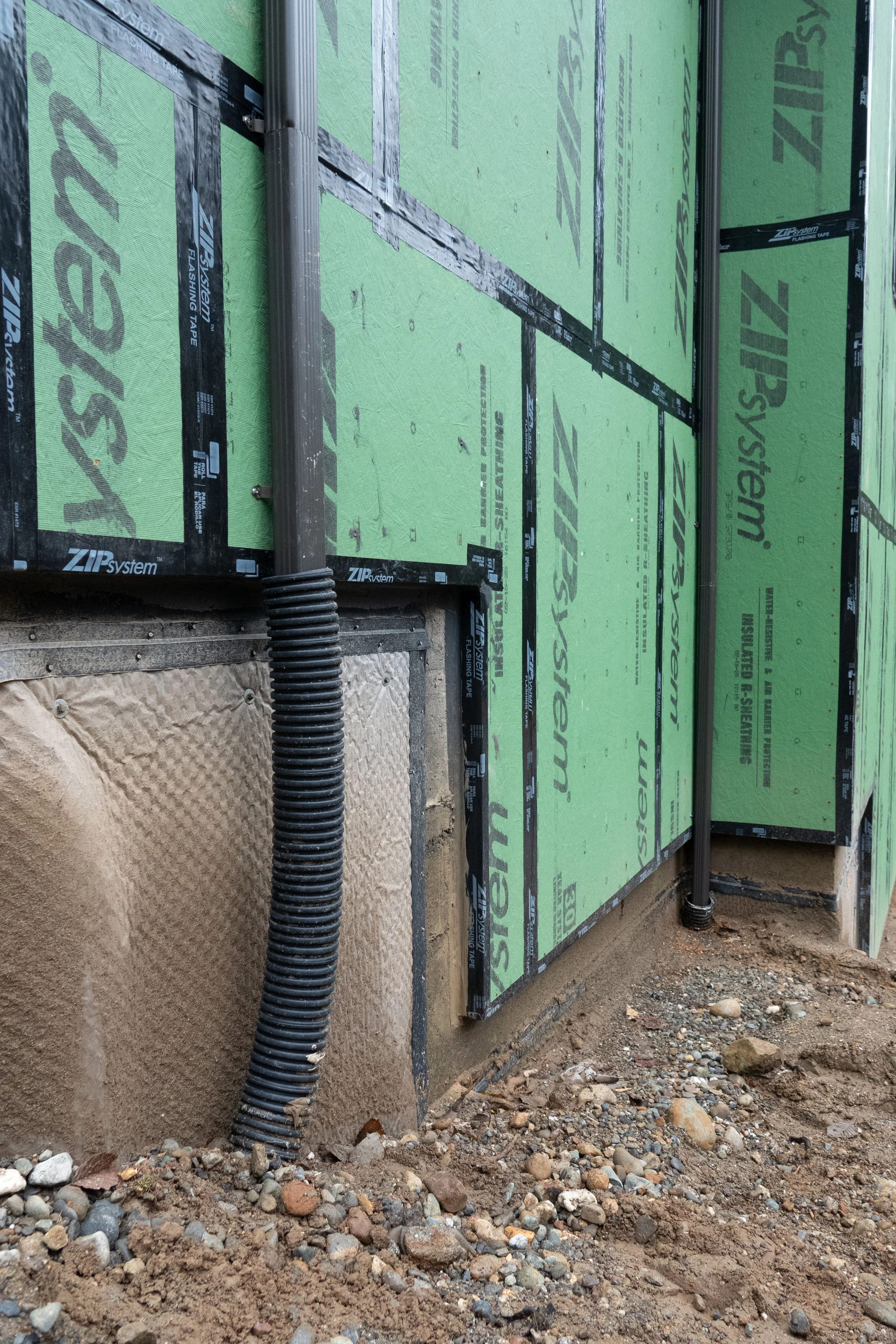
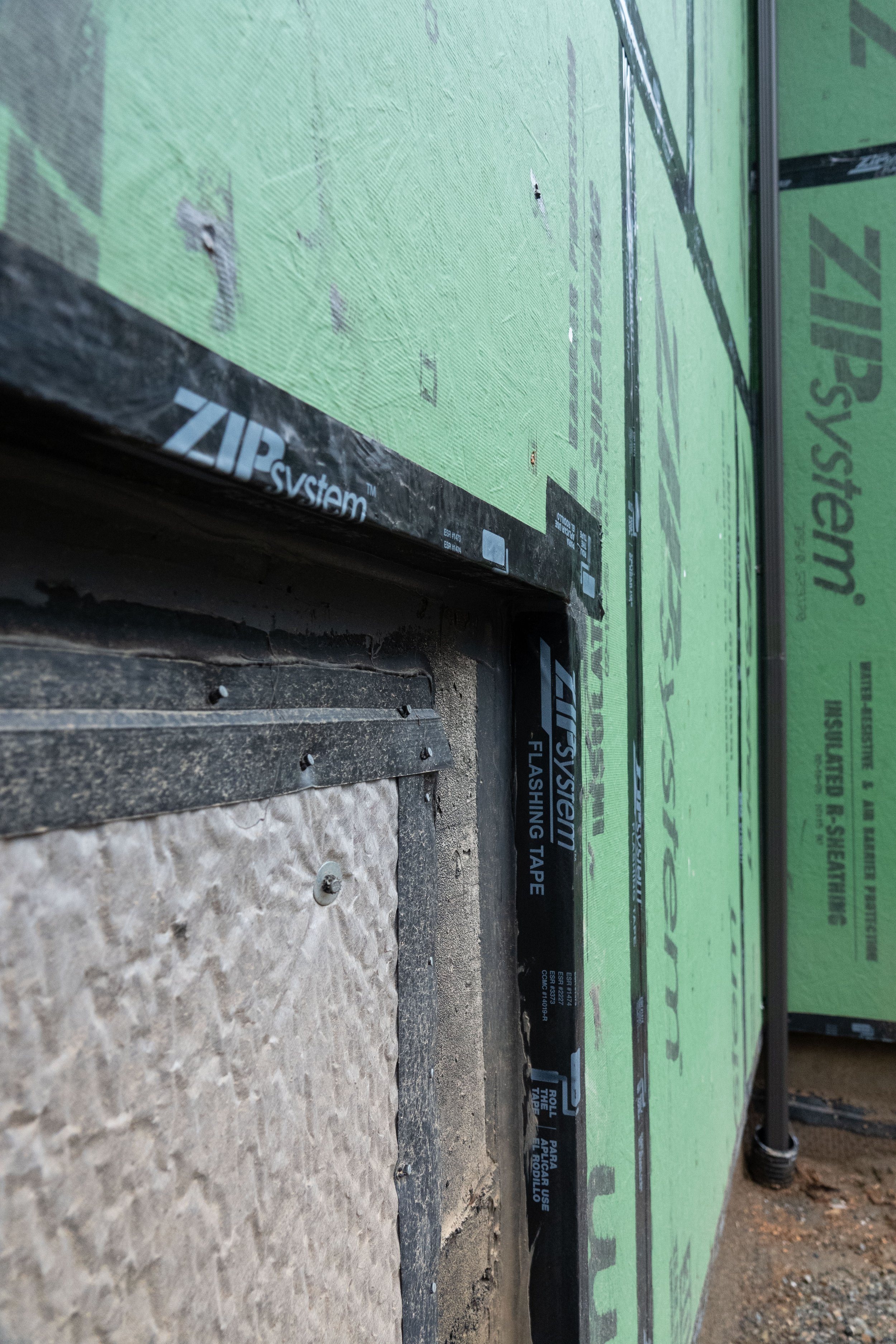
To ensure absolutely no water intrusion, the basement is comprehensively sealed with a waterproofing membrane on the exterior and a continuous vapor barrier on the interior.
Traditional Building - Home 2
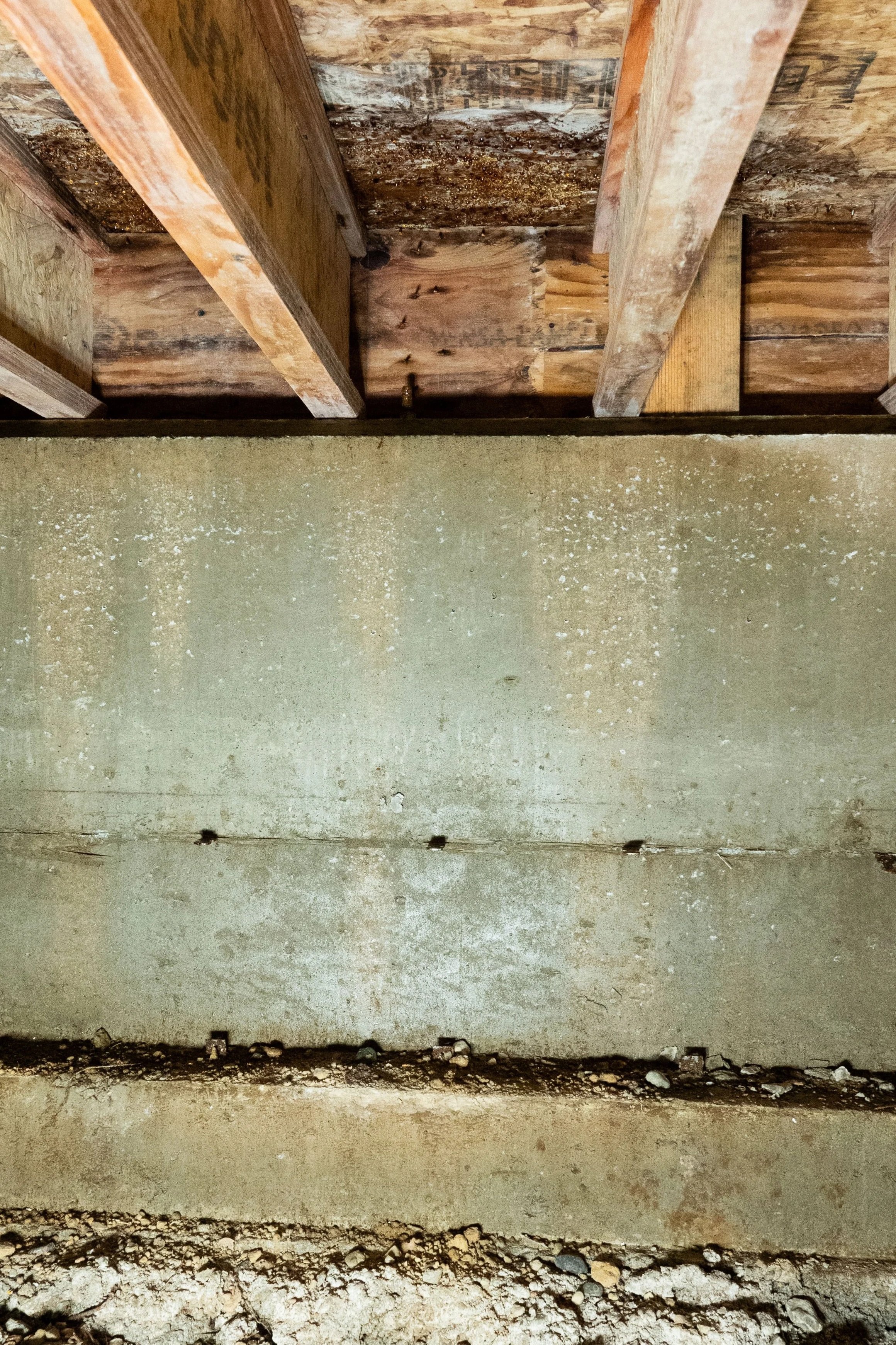
Vapor infiltration into this crawl space has caused humidity to condense on the walls. This moisture accumulation is leading to material damage and structural compromise.

In Conclusion
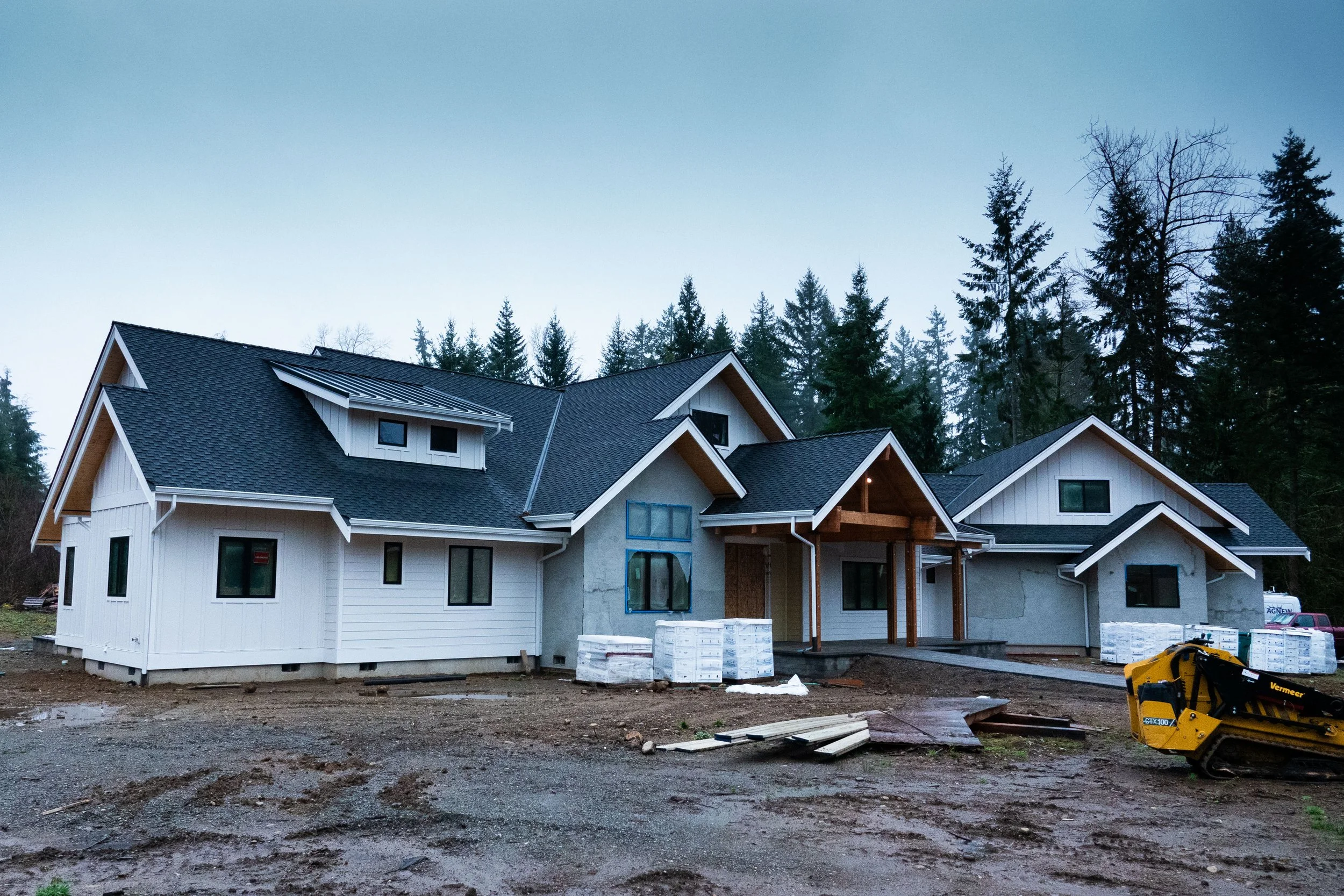
Looking at this beautiful home, you would never suspect the moisture and decay happening beneath it. This clearly illustrates the hidden risk of traditional building: while the exterior looks perfect, flawed methods are silently compromising your biggest asset from the ground up. Protecting your investment requires moving beyond traditional practices and applying proven building science to guarantee durability.
Let’s work
together.
(425) 293-3676
2 homes
2 methods
December 12th, 2025
Building Science - Home 1
High-performance homes use a sealed, encapsulated basement or crawl space. This isolates the structure from ground moisture and controls humidity, keeping the entire area bone dry. This ensures long-term structural integrity and a healthy, durable foundation.
Traditional Building - Home 2
The traditional method uses a vented crawl space, which often draws damp outdoor air inside. This causes condensation, leading to wood rot, mold, and structural decay. It also allows pollutants to enter your home, negatively impacting indoor air quality.
Building Science - Home 1
Building science begins the defensive enclosure from the ground up, which is why a vapor barrier is always installed beneath the poured basement slab.
Traditional Building - Home 2
The traditional method relies on air vents in the crawl space, which often backfires by drawing damp air inside and creating condensation, mold, and rot.
Building Science - Home 1
To ensure absolutely no water intrusion, the basement is comprehensively sealed with a waterproofing membrane on the exterior and a continuous vapor barrier on the interior.
Traditional Building - Home 2
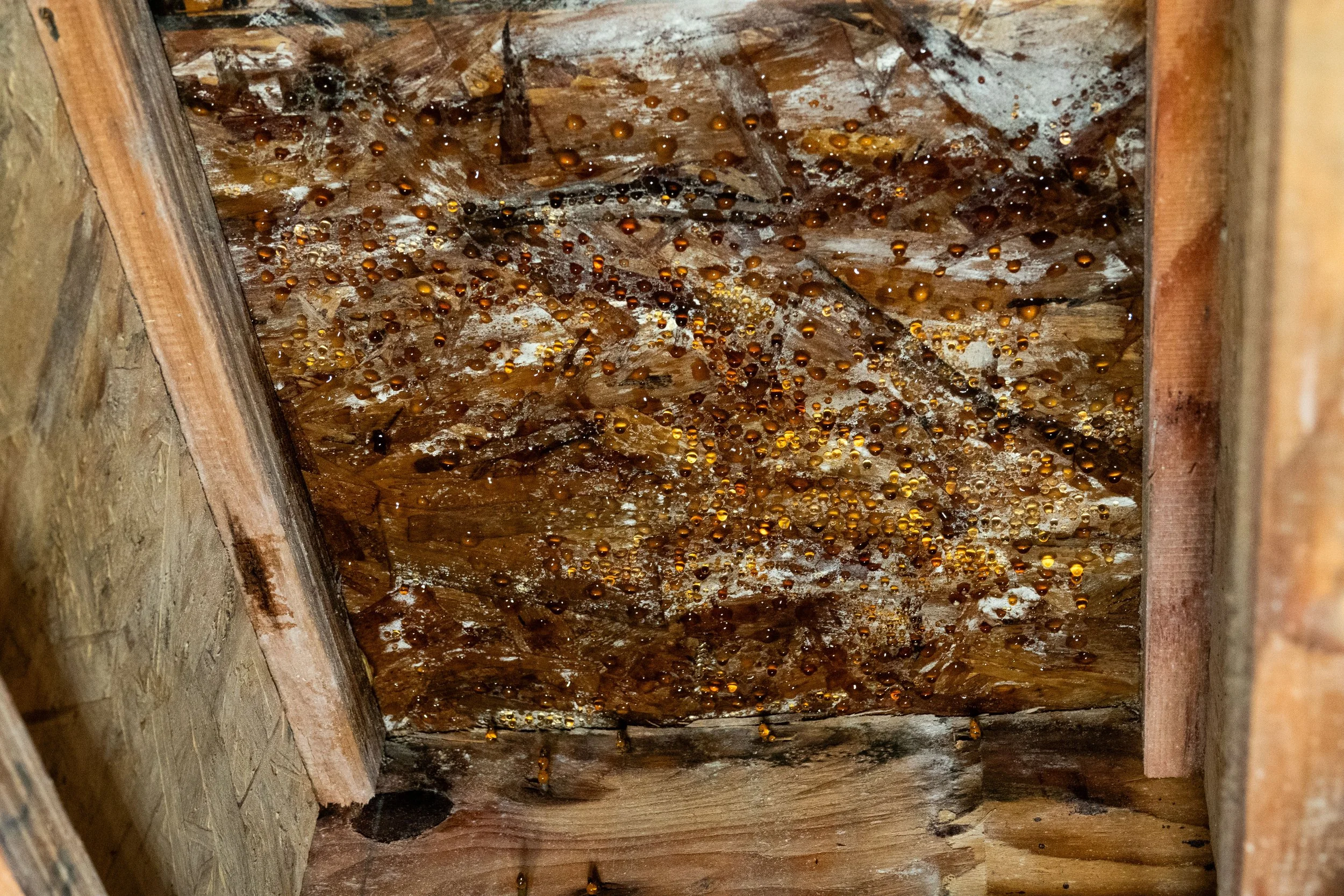
Vapor infiltration into this crawl space has caused humidity to condense on the walls. This moisture accumulation is leading to material damage and structural compromise.
Traditional Building - Home 2
Looking at this beautiful home, you would never suspect the moisture and decay happening beneath it. This clearly illustrates the hidden risk of traditional building: while the exterior looks perfect, flawed methods are silently compromising your biggest asset from the ground up. Protecting your investment requires moving beyond traditional practices and applying proven building science to guarantee durability.